Get a Quote
Monthly Archives

July 2025

Home / July 2025
Uncategorized

Fabric Softener for Sensitive Skin: A Complete Guide

When you have sensitive skin, choosing the right fabric softener can feel like navigating a minefield. One wrong ingredient or formulation can lead to itchy, irritated garments — or worse. Here’s a refined guide to help you find softening solutions that are both gentle and effective.

1. Why Softener Causes Irritation

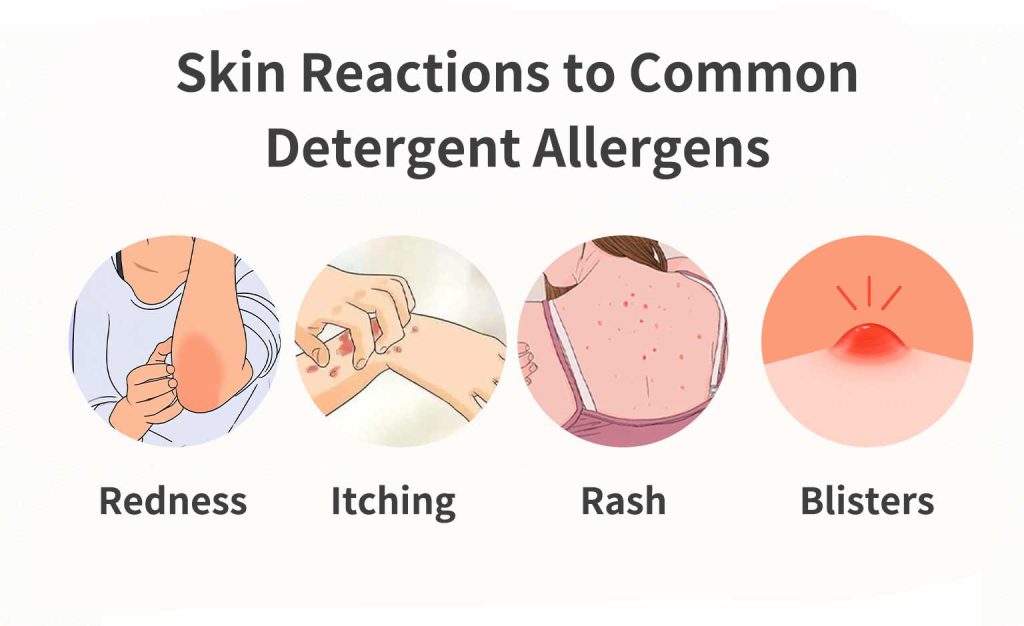
Many conventional fabric softeners use ingredients such as quaternary ammonium compounds, heavy silicones, or synthetic fragrances. These residues can cling to fabric long after wash cycles and trigger skin irritation, even in products marketed as hypoallergenic or dye-free.

2. What to Avoid

Look for formulas that completely exclude:

Cationic surfactants like quats
Silicone or wax-based components
Strong synthetic fragrances and preservatives
Fabric softener sheets or liquids that leave wax-like residue

3. What Works Best for Sensitive Skin

Better alternatives include:

Plant-derived conditioners such as coconut-based fatty alcohols or glyceryl esters
Essential oils like lavender or chamomile for light, skin-friendly scent
Fragrance-free versions with minimal additives and no dyes

4. Natural and Low-Irritant Alternatives

For those highly sensitive to any softener, these options can help:

White vinegar rinse (½–1 cup per load) acts as a natural softener
Baking soda neutralizes odor and softens fabrics without irritation
Wool dryer balls reduce static and dry clothes faster without chemicals

5. Usage Tips for Softer Laundry

Use smaller amounts or skip softener when possible
Wash new clothes before wearing to reduce chemical exposure
Avoid applying softener on towels or microfiber, as it may reduce absorbency

6. Do Softening Products Really Improve Laundry?
When chosen carefully, yes. The right softener can reduce friction, prevent static, and deliver comfort without overwhelming fragrance or oily residue. That said, many find eco-friendly swaps like vinegar or wool balls equally effective—without the risk.
Key Takeaways

Opt for formulations that are fragrance-free, silicone-free, and dye-free
Avoid any coating ingredients or abrasive compounds
Consider natural alternatives like vinegar, baking soda, or wool balls

By keeping these guidelines in mind, you can confidently choose or formulate a fabric softener that’s sensitive-skin friendly—offering softness, freshness, and peace of mind.

Let me know if you’d like a version tailored for your customers or branding needs!

Uncategorized

Top 5 Global Cleaning Market Trends in 2025: A Must-Read Guide for Exporters

In the fiercely competitive cleaning market of 2025, exporters who ignore eco-friendly trends may fall behind. Eco-friendly cleaning products will dominate global demand in 2025, as consumers and businesses seek biodegradable, plant-based solutions with certified sustainable practices. The question is no longer whether sustainability matters, but how to keep up with this unstoppable trend.

Table of Contents

  • What makes sustainability a top priority in the global cleaning industry?
  • How are eco-friendly cleaning products changing buyers’ expectations?
  • Which certifications prove that your cleaning products are truly green?
  • How can exporters adapt to global eco-conscious trends?

What makes sustainability a top priority in the global cleaning industry?

Consumers are increasingly concerned about green living, but why does this matter to exporters?


Sustainability takes center stage because buyers demand cleaning products that reduce environmental impact while delivering excellent performance.

Dive Deeper

In 2025, sustainability is no longer a niche preference but a mainstream trend.


  • 🌱 Consumer Awareness: Shoppers expect biodegradable and plastic-free solutions.
  • 🌏 Corporate Goals: Distributors prioritize suppliers with ethical supply chains.
  • 📜 Government Pressure: Countries are enforcing stricter environmental regulations on imported goods.


Region Buyer Focus
United States Plant-based ingredients, compostable packaging
Europe Zero-waste manufacturing, EU eco-labels


For exporters, staying relevant means aligning their products and processes with these priorities.

How are eco-friendly cleaning products changing buyers’ expectations?

What do buyers really want from “green” cleaning products?


They want effective, natural formulas in eco-friendly packaging, supported by certifications that validate sustainability claims.

Dive Deeper

Key expectations include:


  • 🌸 Performance: Plant-based does not mean less effective. Buyers want strong cleaning power.
  • ♻️ Packaging: Compostable wraps or refillable containers are preferred over plastic.
  • 🛡 Safety: Hypoallergenic and non-toxic for families and pets.


Exporters that offer customizable eco-friendly options will gain a competitive edge.

Which certifications prove that your cleaning products are truly green?

How can buyers trust your “eco-friendly” claims?


Global buyers rely on certifications such as the EU Ecolabel, US EPA Safer Choice, and ISO standards to verify sustainability.

Dive Deeper

For Europe:


  • ✅ REACH compliance for chemical safety
  • ✅ EU Ecolabel for environmental performance


For the United States:


  • ✅ EPA Safer Choice for non-toxic formulas
  • ✅ Leaping Bunny for cruelty-free practices


Certification Region Meaning
EU Ecolabel Europe Verified low environmental impact
EPA Safer Choice US Safer for health and the environment
ISO 14001 Global Sustainable management systems


Without these credentials, exporters risk losing eco-conscious buyers.

How can exporters adapt to global eco-conscious trends?

The opportunities are vast, but only for those who are prepared.


Exporters can succeed in 2025 by innovating green formulas, investing in certifications, and offering private-label eco-friendly solutions for global clients.

Dive Deeper

Action steps for exporters: 


  • 🌿 Develop biodegradable, water-soluble products.
  • 🏷 Offer private-label and customizable eco-friendly options.
  • 📜 Obtain certifications for EU and US standards early.
  • 🌐 Clearly communicate your eco-friendly credentials to buyers.


Eco-consciousness is no longer optional—it is key to growth in global trade.

Conclusion

Sustainability will drive the cleaning market in 2025. Exporters who embrace eco-friendly trends will secure their position in global trade.
Uncategorized

Ingredients to Avoid in Laundry Detergents – And Why More People Are Choosing Eco Alternatives

As sustainability and ingredient safety become top concerns, more consumers and retailers are re-evaluating what’s inside their cleaning products. Whether for personal use or private label sourcing, understanding what ingredients to avoid in laundry detergents is key.

Here’s what to watch out for – and how Flowcheer Laundry Sheets align with global clean-label trends.

❌ 1. Phosphates

Used to soften water and boost cleaning power, but harmful to aquatic environments. Many countries have banned phosphates in household products due to their role in water pollution and algae overgrowth.

❌ 2. Non-biodegradable Synthetic Surfactants

Some traditional surfactants may not break down easily in nature, posing long-term risks to waterways and marine ecosystems. Consumers are turning toward naturally derived, biodegradable options for daily cleaning.

❌ 3. Harsh Preservatives like MI/MCI

Methylisothiazolinone (MI) and Methylchloroisothiazolinone (MCI) are effective preservatives but can cause skin irritation and allergic reactions. These are increasingly restricted in rinse-free or baby care formulations in markets like the EU.

❌ 4. Artificial Fragrances & VOCs

Synthetic fragrances can emit volatile organic compounds (VOCs) that affect indoor air quality. Sensitive users are opting for low-fragrance or naturally scented laundry products to reduce respiratory risks.

❌ 5. Chlorine-Based Bleach

While effective at whitening, chlorine bleach may damage fabrics, release harmful byproducts, and pollute waterways. Oxygen-based alternatives are safer and gaining popularity.

🌍 Market Trends: What Today’s Laundry Consumers Want


✅ Ingredient transparency is no longer optional. Shoppers read labels and demand clean, safe formulas.

✅ Lightweight, plastic-free packaging is in demand for e-commerce, retail, and international shipping.

✅ Portable and space-saving formats are ideal for modern lifestyles – from travel to compact apartments.


🧺 Why FlowCheer Laundry Sheets?

✨ Compact, pre-measured, travel-friendly

♻ Lower carbon footprint in shipping and storage

📦 Customizable fragrance, packaging & weight per market

🌍 Ideal for B2B, private label, and sustainable retail

💬 Choosing the right laundry solution isn’t just about cleaning power – it’s about health, sustainability, and global compliance. Flowcheer Laundry Sheets are designed to help brands and consumers stay ahead of the trend.

📩 Interested in learning more or receiving samples? Let’s connect

Email: info@yajieint.com

Tel: +86 18083742397

Website: https://yajieint.com/


Uncategorized

🌱 Are Phosphates Harmful? Why More Brands Are Going Phosphate-Free

1. What Are Phosphates Used For?

Phosphates have long been used in laundry detergents and dishwashing products for their powerful water-softening properties. They bind with calcium and magnesium ions in hard water, helping detergents work more effectively and remove stains more easily.

2. Are Phosphates Bad for Your Health?

  • Low toxicity to humans: At typical household concentrations, phosphates pose little direct risk to human health.
  • Environmental concerns: The real issue lies in what happens after use. When phosphates enter waterways, they act as fertilizers, triggering the rapid growth of algae and harmful algal blooms. This depletes oxygen in the water and harms aquatic ecosystems.

3. Global Regulation & Industry Shift

  • Regulatory push: Since the 1970s, many countries have restricted phosphate use. In the U.S., voluntary reductions began in the 1990s, followed by statewide bans in dishwasher detergents in 2010. The EU, Canada, and Australia have also imposed strict limits.
  • Industry response: Many manufacturers have proactively removed phosphates and replaced them with eco-friendly alternatives such as EDTA, sodium citrate, and polycarboxylates.

4. Does It Affect Cleaning Performance?

  • While early phosphate-free formulas had performance issues, modern alternatives have improved significantly. According to independent reviews like those from Consumer Reports, today’s eco-friendly detergents can perform just as well as their phosphate-based counterparts.

5. Why Businesses Are Making the Switch

  • Health: Minimal risk to people, but increased awareness still encourages safer options.
  • Environment: Phosphate-free formulas help prevent water pollution and ecological imbalance.
  • Brand image: Adopting sustainable ingredients strengthens a brand’s reputation and aligns with consumer values.✅ In Summary
    For people: Phosphates are low-risk at household levels.
    For the planet: They contribute significantly to water pollution and algae blooms.
    For the future: Global regulations and consumer demand are driving a shift toward phosphate-free products.

    💡 Looking to innovate in the cleaning product industry? Now’s the time to explore phosphate-free formulations that are effective, compliant, and environmentally responsible.

About Exponent

Exponent is a modern business theme, that lets you build stunning high performance websites using a fully visual interface. Start with any of the demos below or build one on your own.

Get Started
Subscribe to our Newsletter
Privacy Settings
We use cookies to enhance your experience while using our website. If you are using our Services via a browser you can restrict, block or remove cookies through your web browser settings. We also use content and scripts from third parties that may use tracking technologies. You can selectively provide your consent below to allow such third party embeds. For complete information about the cookies we use, data we collect and how we process them, please check our Privacy Policy
Youtube
Consent to display content from - Youtube
Vimeo
Consent to display content from - Vimeo
Google Maps
Consent to display content from - Google
Spotify
Consent to display content from - Spotify
Sound Cloud
Consent to display content from - Sound
Get a Quote
Cart Overview